Creatine
-
Abhinav
- Posted on
- 0 comments
What is Creatine
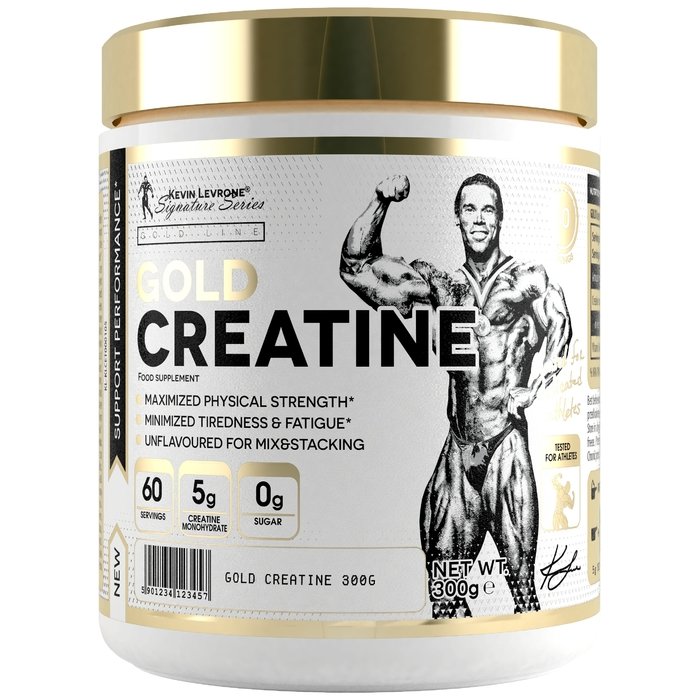
Creatine is a naturally occurring compound found in the body, primarily in muscle cells. It plays a key role in producing energy during high-intensity, short-duration exercises like weightlifting or sprinting. Creatine is also widely available as a dietary supplement, commonly used to enhance athletic performance and increase muscle mass.
How Creatine Works:
- Energy Production:
- Creatine helps produce adenosine triphosphate (ATP), the primary energy carrier in cells. During intense exercise, ATP is rapidly broken down to produce energy, and creatine helps regenerate ATP more quickly, allowing muscles to perform better under stress.
2.Muscle Growth:
- By enhancing ATP production, creatine allows for more intense and longer workouts, which can lead to increased muscle mass over time. It also increases water content in muscle cells, which may contribute to muscle size.
3.Brain Health:
- Some studies suggest creatine may have benefits for brain health and cognitive function, particularly in situations where energy demands are high, like during intense mental activities or stress.
Sources of Creatine:
- Dietary Sources: Creatine is found in foods like red meat and fish, but in relatively small amounts. The body can also synthesize it from amino acids.
- Supplementation: Creatine monohydrate is the most common and well-researched form of creatine supplement, known for being effective and safe for most people when taken in appropriate doses.
Benefits:
- Improved Strength and Power: Particularly beneficial for activities requiring bursts of intense energy, such as weightlifting or sprinting.
- Increased Muscle Mass: Commonly used in bodybuilding and sports for its muscle-building effects.
- Enhanced Recovery: May help reduce muscle damage and inflammation after intense exercise.
- Potential Cognitive Benefits: Research is ongoing, but gold creatine may support brain function and memory, especially under stress.
Safety and Side Effects:
- Generally Safe: Creatine is well-studied and generally considered safe for long-term use in healthy individuals.
- Possible Side Effects: Some people might experience water retention, bloating, or gastrointestinal discomfort. High doses are unnecessary and could strain the kidneys, particularly in individuals with pre-existing kidney conditions.
Usage:
- Loading Phase: Some protocols suggest a loading phase of 20 grams per day for 5-7 days to saturate muscle stores quickly, followed by a maintenance dose of 3-5 grams per day.
- Direct Maintenance: Others skip the loading phase and take 3-5 grams daily from the start.
Overall, creatine is a well-regarded supplement in the fitness community, valued for its effectiveness in improving athletic performance and muscle growth.
Abhinav
Abhinav Kapoor is a certified sports nutrition specialist and an important member of the Kapoor Medical Hall team, continuing his family’s legacy of trust and quality. He has completed his Bachelor of Pharmacy (B.Pharm) and combines pharmaceutical knowledge with expertise in sports nutrition and fitness supplementation. He specializes in whey protein, creatine, pre-workout supplements, mass gainers, vitamins, and overall wellness nutrition, helping athletes and fitness enthusiasts choose the right products for their goals. Abhinav is committed to providing authentic supplements, science-backed guidance, and reliable health information. Professional Expertise: *Certified Sports Nutrition Specialist *Bachelor of Pharmacy (B.Pharm) *Sports & Performance Nutrition *Whey Protein & Creatine Supplementation *Muscle Recovery & Wellness Support *Supplement Authenticity & Quality Assurance Through Kapoor Medical Hall, Abhinav continues to help customers across India access trusted and genuine fitness supplements.