
What is Creatine? Benefits, Uses, and Side Effects
-
Abhinav
- Posted on
- 0 comments
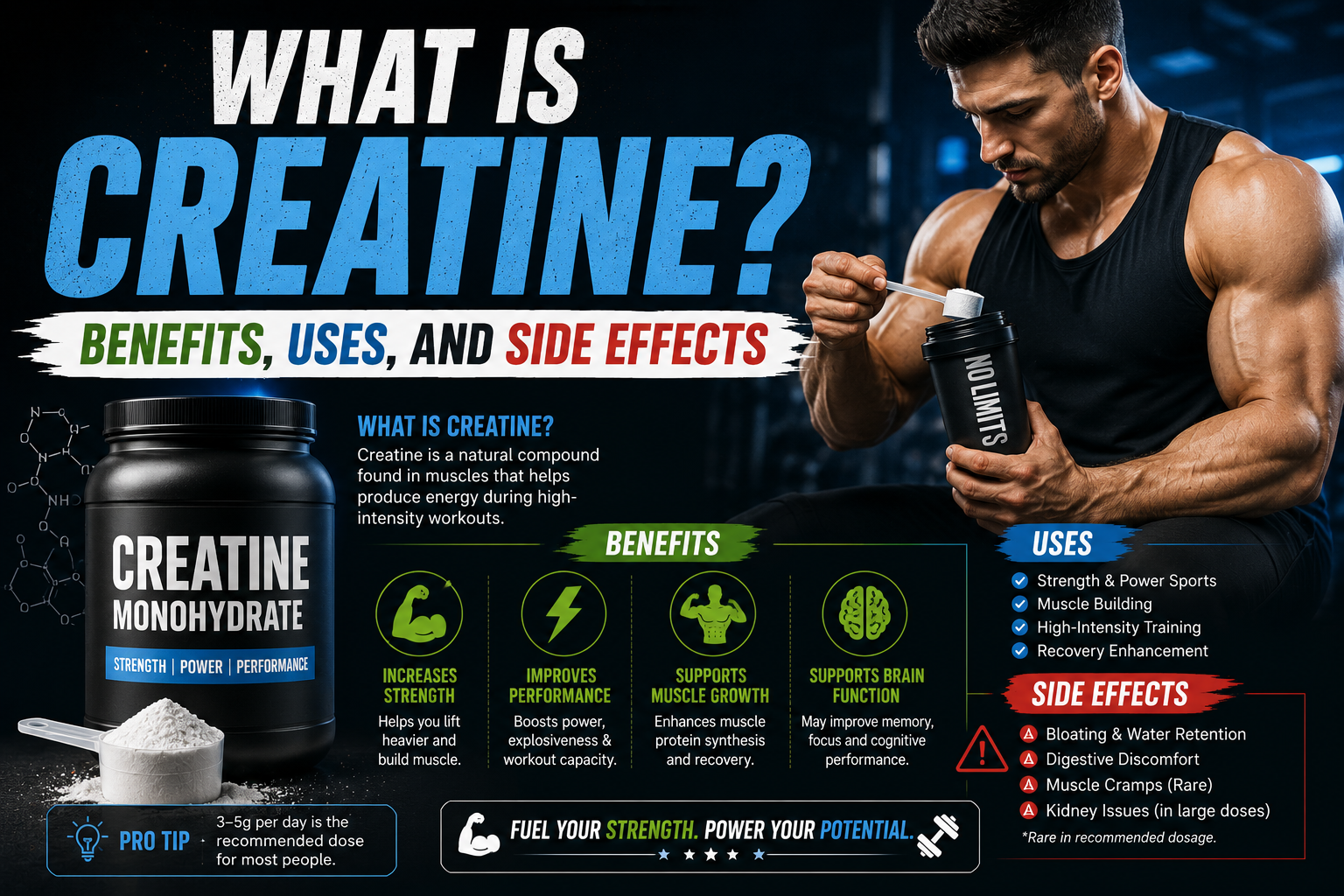
Creatine is one of the most popular and scientifically researched supplements in the fitness industry. From professional athletes to beginners starting their fitness journey, creatine has earned a strong reputation for enhancing strength, improving workout performance, and supporting muscle growth. If you’re considering adding creatine to your routine, understanding its benefits, uses, and safety is essential.
At Kapoor Medical Hall, we offer genuine health and fitness supplements to help you achieve your wellness goals. This comprehensive guide covers everything you need to know about creatine.
What is Creatine?
Creatine is a naturally occurring compound found primarily in your muscles. It is made from three amino acids: arginine, glycine, and methionine. Your body produces creatine naturally in the liver, kidneys, and pancreas.
Additionally, creatine is present in foods such as red meat, fish, and poultry. However, the amount obtained from diet alone is often limited, especially for athletes and individuals with intense training routines.
Approximately 95% of the body’s creatine is stored in skeletal muscles, where it helps produce adenosine triphosphate (ATP), the primary source of energy for short bursts of high-intensity activities like weightlifting, sprinting, and jumping.
Creatine supplements, particularly creatine monohydrate, help increase the body’s creatine stores, allowing muscles to perform better during demanding physical activities.
Proven Benefits of Consuming Creatine
Creatine offers numerous scientifically proven benefits, making it one of the most effective supplements available.
Increased Muscle Strength
Creatine enhances ATP production, enabling muscles to generate more force during intense exercise. This leads to noticeable improvements in lifting capacity and overall strength.
Enhanced Muscle Growth
By increasing water content in muscle cells and improving workout performance, creatine supports faster muscle gains when combined with resistance training.
Improved Exercise Performance
Athletes often use creatine to boost power, speed, and endurance during short-duration, high-intensity workouts.
Faster Recovery
Creatine may help reduce muscle damage, inflammation, and soreness after intense training sessions.
Cognitive Support
Emerging research suggests that creatine may also benefit brain health, memory, and mental performance, particularly during periods of sleep deprivation or mental fatigue.
Supports Healthy Aging
Older adults may benefit from creatine supplementation by maintaining muscle mass, strength, and functional mobility.
How to Use Creatine
Using creatine correctly can maximize its effectiveness.
Recommended Dosage
The standard daily dose is 3 to 5 grams of creatine monohydrate.
Loading Phase (Optional)
Some users choose a loading phase:
- 20 grams per day divided into four servings for 5 to 7 days
- Followed by a maintenance dose of 3 to 5 grams daily
While loading can saturate muscles faster, it is not necessary for long-term results.
Best Time to Take Creatine
Creatine can be consumed:
- Before workout
- After workout
- With a meal containing carbohydrates and protein
Consistency matters more than timing.
Mixing Instructions
Mix creatine powder with water, juice, or a protein shake for easy consumption.
Potential Side Effects of Creatine
Creatine is generally well tolerated by most healthy individuals. However, some users may experience mild side effects.
Water Retention
Temporary water retention is common during the initial phase of supplementation.
Digestive Discomfort
Large doses may cause bloating, stomach cramps, or diarrhea.
Weight Gain
Initial weight gain usually results from increased water storage in muscles.
Drinking adequate water and following recommended dosages can help minimize these effects.
Is It Safe to Consume Creatine Daily?
Yes, creatine is considered safe for daily use when taken at recommended doses. Numerous long-term studies have confirmed its safety in healthy adults.
Regular daily intake helps maintain elevated muscle creatine levels, ensuring consistent performance and recovery benefits.
However, individuals with pre-existing kidney conditions or other medical concerns should consult a healthcare professional before starting supplementation.
How to Choose the Right Creatine?
Selecting a high-quality creatine supplement is important for safety and effectiveness.
Look for Creatine Monohydrate:
Creatine monohydrate is the most researched, effective, and affordable form.
Check Purity:
Choose products that contain 100% pure creatine without unnecessary additives or fillers.
Buy from Trusted Sources:
Purchase supplements only from reputable pharmacies and authorized sellers like Kapoor Medical Hall.
Third-Party Testing:
Opt for brands that undergo independent quality testing for purity and safety.
If you’re planning to start supplementation, choosing a high-quality product makes a real difference in results and safety. At Kapoor Medical Hall, you can explore trusted options like Kevin Levrone Anabolic Creatine 300g, known for its strong formulation for performance-focused users, and Optimum Nutrition (ON) Creatine Monohydrate Micronised, which is widely preferred for its purity and easy mixability. For those looking for a more advanced blend, Kevin Levrone Levro Legendary Test Creatine combines creatine with additional performance-support ingredients. You can also consider Applied Nutrition Creatine Monohydrate (50 Servings), a reliable UK-made option, or Rule1 Creatine Monohydrate 390g (75 Servings), which offers great value for long-term use. All these products are sourced from reputable brands and are available at Kapoor Medical Hall, ensuring authenticity and quality you can trust.
Final Thoughts
Creatine is one of the safest, most effective, and well-researched supplements available today. It can significantly improve strength, muscle growth, exercise performance, and recovery when used properly.
Whether you’re an athlete, bodybuilder, or simply someone looking to enhance your fitness journey, creatine can be an excellent addition to your supplement routine.
At Kapoor Medical Hall, we provide authentic creatine supplements from trusted brands to help you achieve your health and fitness goals with confidence. Explore our range today and take the next step toward better performance and results.
Frequently Answered Questions
1. Does creatine increase weight?
Yes, creatine may cause a slight increase in body weight, especially during the first few weeks. This is primarily due to increased water retention within muscle cells, not fat gain. Over time, additional weight may also result from increased muscle mass.
2. Is it OK to take creatine every day?
Absolutely. Daily supplementation is the most effective way to maintain optimal creatine stores in your muscles. A daily dose of 3 to 5 grams is considered safe and beneficial for most healthy adults.
3. Can creatine lead to hair loss?
Current scientific evidence does not conclusively prove that creatine causes hair loss. While one small study suggested a potential increase in DHT levels, larger studies have not confirmed this effect.
4. Can creatine lead to kidney damage?
In healthy individuals, creatine does not cause kidney damage when used as directed. However, people with existing kidney disease should consult a healthcare provider before using creatine.
5. Can creatine be consumed by a teenager between 15-17 years of age?
Creatine may be appropriate for teenagers involved in serious athletic training, but it should only be used under the guidance of a healthcare professional, coach, or sports nutrition expert. Proper diet and training should always come first.